

Back to Blog
Security Cameras

License Plate Recognition Cameras: The Complete LPR Guide

Monarch ConnectedJune 13, 202616 min read
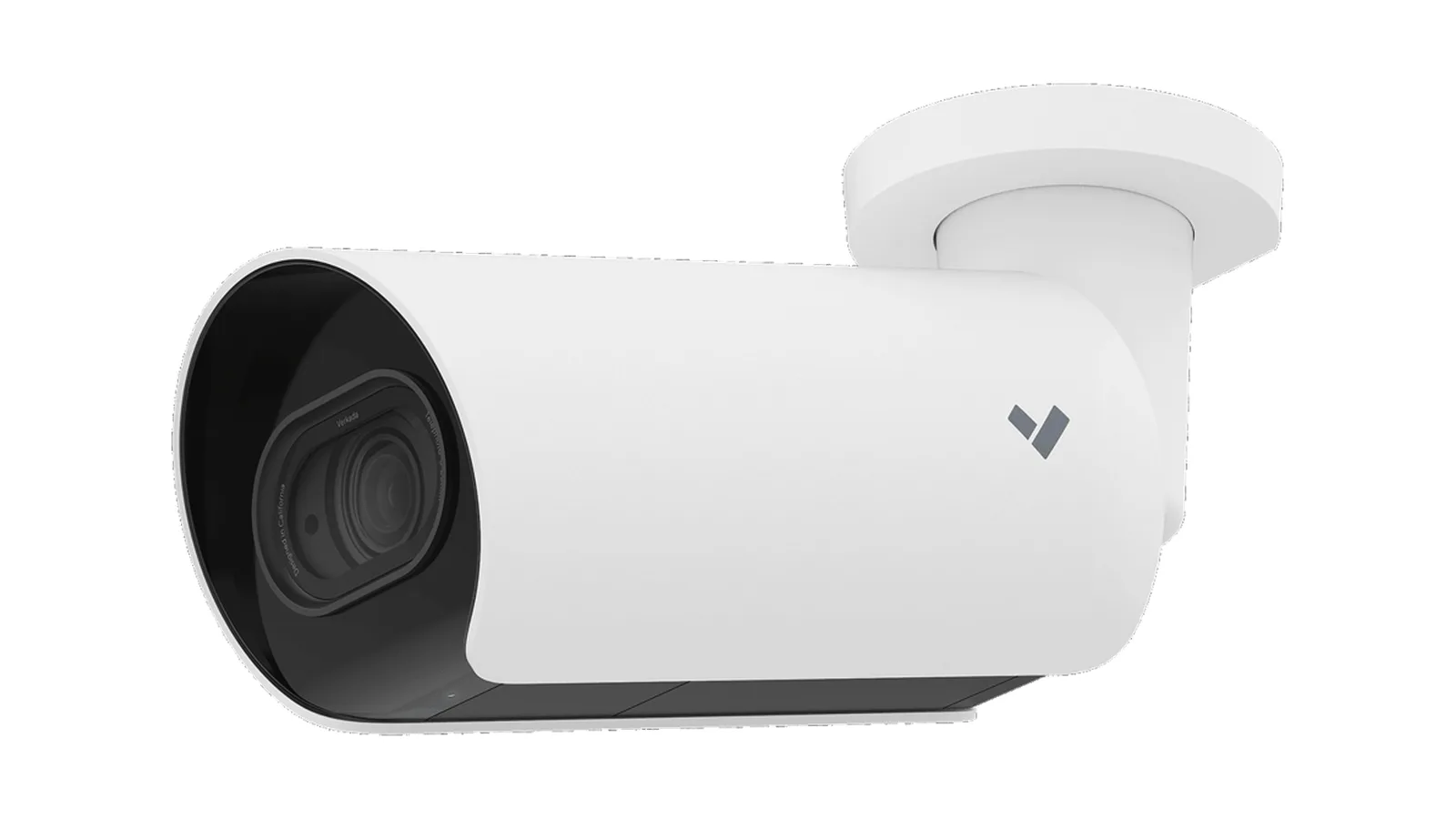
Verkada CB62-E outdoor bullet camera used for license plate recognition

A license plate recognition camera does something an ordinary security camera can't: it reads the plate. Instead of just recording a vehicle that you squint at later, an LPR camera captures the plate clearly, converts it to text automatically, and lets you search your footage by plate number or get an alert when a specific vehicle arrives. For parking lots, gated entrances, loading yards, and any property where which vehicle matters, that's the difference between footage and answers.

This guide explains what an LPR camera actually is, how it works, what separates it from a normal camera, what it costs, and how to choose one. Where it helps, we'll use Verkada's bullet camera line — which Monarch designs and installs — as a concrete example, because on these cameras license plate recognition is built in rather than bolted on.

What is an LPR camera?

LPR stands for license plate recognition. You'll also see the same technology called ALPR (automatic license plate recognition) or, outside North America, ANPR (automatic number-plate recognition). They all describe the same thing: a camera system that automatically detects vehicles, isolates the license plate, and reads the characters into text you can store, search, and act on.

Under the hood, an LPR camera runs three steps, usually many times a second:

  1. Detect the vehicle and locate the plate within the frame.
  2. Capture a clean, high-contrast image of the plate — this is the hard part, and the reason LPR cameras are built differently from ordinary cameras (more on that below).
  3. Read the plate using optical character recognition (OCR), turning the picture of the plate into the actual characters, which are then time-stamped and saved alongside the video.

The payoff is in that third step. Because every plate becomes searchable text, you can type a plate number and jump straight to every clip of that vehicle, or set the system to notify you the moment a particular plate appears. On a modern cloud platform, that processing happens on the camera itself and the results sync to software you open from a browser or phone.

How license plate recognition cameras work

Reading a plate reliably — day or night, in rain, on a moving car — is harder than it sounds, and it's why a camera marketed for LPR is engineered around a few specific problems:

  • Freezing motion. A plate on a car moving 40 mph is a blur to a normal camera set up for general surveillance. LPR cameras use fast shutter speeds (and tuning) to freeze the plate sharply. Verkada's bullet cameras, for example, are rated to capture plates at speeds up to 80 mph (128 km/h).
  • Handling headlights and darkness. At night a plate is either lost in the dark or washed out by headlights. LPR-capable cameras pair infrared (IR) illumination with exposure control so the reflective plate stays legible when the rest of the scene is black.
  • Resolution where it counts. You don't need 4K across the whole scene — you need enough pixels on the plate to resolve the characters. That's a function of the camera's resolution, its zoom/focal length, and how far away and at what angle the vehicle passes.
  • Angle and placement. Plates read best when the camera is roughly head-on to the vehicle and within a sensible angle (both horizontally and vertically). Mount too high, too far to the side, or too steeply and the OCR accuracy drops. Good LPR is as much about where the camera goes as which camera it is.

Get those right and the OCR does its job; get them wrong and you have an expensive camera producing unreadable plates. This is exactly why LPR deployments are worth planning with someone who installs them, rather than guessing at a mounting spot.

LPR camera vs. a normal security camera

A common question — and a fair one — is whether you even need a dedicated LPR camera, or whether your regular cameras can read plates. The honest answer: a general-purpose camera can occasionally catch a readable plate, but it isn't built for it and won't do it consistently, especially on moving vehicles or at night.

What mattersLPR / ALPR cameraNormal security camera
GoalRead and log the plate as textRecord a general view of the scene
Shutter / motionFast shutter tuned to freeze plates at speedTuned for overall image, blurs fast plates
Night platesIR + exposure control to beat headlight glarePlate often lost in dark or blown out
OutputSearchable plate text + alertsVideo you review manually
Best placementAimed at a chokepoint (lane, gate, entrance)Broad area coverage

The practical takeaway: use LPR cameras at the chokepoints where vehicles funnel through — entrances, exits, gate lanes, drive aisles — and use normal cameras for general coverage of the lot or property. Most sites run a mix.

What to look for in an LPR camera

If you're comparing license plate recognition cameras, these are the specifications that actually determine whether you get readable plates:

  • Capture speed. How fast can a vehicle be moving and still be read? For most business properties, a camera rated to around 80 mph covers everything from a slow gate lane to a fast access road.
  • Lanes covered. A single camera at a gate covers one lane easily; covering multiple lanes of traffic at once takes a higher-resolution camera. Verkada's 4K bullets, for instance, can read plates across up to three lanes.
  • IR range. Nighttime is where cheap LPR fails. Look at the infrared range — Verkada's LPR bullets offer 30 m (98 ft) up to 50 m (164 ft) depending on the model — and at how the camera handles headlight glare.
  • Resolution and zoom. Enough resolution plus the right focal length to put adequate pixels on the plate at your capture distance. Varifocal (adjustable-zoom) lenses make this far easier to dial in on site.
  • Onboard processing. Cameras that run the LPR analytics on the device (rather than depending on a separate server) are simpler, more reliable, and keep working if the network hiccups.
  • Storage and management. How long is footage kept, and where? Cloud-managed cameras with onboard storage skip the separate network video recorder (NVR) entirely and let you search plates from anywhere.
  • Weatherproofing. LPR cameras live outdoors at gates and entrances, so weather (IP66/67) and impact (IK10) ratings matter.

How much do LPR cameras cost?

Cost is one of the most-searched LPR questions, so here's a straight answer. Business-grade license plate recognition cameras generally run from several hundred dollars for basic units to a few thousand for enterprise models — but the sticker price of the camera is only part of the real cost. The full picture includes:

  • The camera itself.
  • Storage — either an on-site NVR (a recurring cost to buy, secure, and maintain) or onboard/cloud storage that removes that box entirely.
  • Software and licensing — some LPR platforms charge separately for the recognition software or per-plate database features.
  • Installation — proper mounting, angle, and cabling, which is what actually determines whether the plates are readable.

For reference, Verkada's 4K LPR-capable bullet cameras (the CB62-E and CB63-E) start around $2,399, with more affordable 5 MP models (the CB52-E and CB53-E) available as well. Crucially, license plate recognition is built into the camera's onboard analytics — there's no separate LPR software server to buy, and no NVR, because each camera stores footage onboard with cloud backup. That keeps the total cost closer to "camera plus install" than the multi-box LPR systems of the DVR era.

The right number for your property depends on how many chokepoints you're covering and how many lanes each one has — exactly the kind of thing worth scoping before you buy.

As a worked example, a small business with one entrance and one exit lane needs two LPR cameras — one aimed at each lane — plus however many general-coverage cameras the rest of the property requires. With Verkada, those two LPR bullets carry their own storage and analytics, so the "LPR system" is just those two cameras and their PoE cabling; there's no separate recorder or recognition server to add to the quote. A multi-lane entrance, a campus with several gates, or a logistics yard with multiple access points scales the camera count up from there, but the model stays the same: cost tracks the number of lanes you cover, not a stack of back-end boxes.

Turning plates into action: alerts, search, and access control

Capturing plates is only half the value — what you do with them is the other half. A good LPR platform turns the stream of plate reads into three practical capabilities:

  • Search by plate. Instead of scrubbing hours of footage, you type a plate (or part of one) and jump to every clip of that vehicle across all your cameras and dates. An investigation that used to take an afternoon takes seconds.
  • Watchlist alerts. Add specific plates to a list and the system notifies you when one appears — useful for flagging a vehicle tied to a past incident, a banned visitor, or a VIP/expected delivery. Verkada's bullet cameras feed these alerts into Verkada Command, where they reach you by app or email.
  • Access control integration. When LPR sits on the same platform as your door and gate access control, the plate becomes a credential. A recognized plate can trigger a gate to open for known vehicles, and every entry is logged against the vehicle — not just the badge that may or may not have been used. That ties "who came in" to "which vehicle came in," which is exactly what investigations and audits need.

The reason this matters for camera choice: these features depend on the plate data and the video living on one platform that's actually built to connect them. Cameras that dump plates into a standalone database, separate from your video and your access control, make this far harder. The advantage of a unified cloud platform is that search, alerts, and access all draw on the same record.

How accurate is LPR, and what affects it?

No license plate recognition system reads every plate perfectly, and any vendor who promises 100% should be treated with suspicion. Real-world accuracy is a product of the install as much as the camera, and these are the factors that move it most:

  • Angle. The closer the camera is to head-on with the plate — both horizontally and vertically — the better. Steep down-angles and sharp side-angles distort the characters and cost you reads.
  • Speed vs. placement. A camera rated for 80 mph still reads best where vehicles slow. Gates, entrances, and drive aisles where cars naturally decelerate are ideal; a fast through-lane demands more careful placement.
  • Lighting and glare. Direct sun behind the plate, or headlight bloom at night, are the classic failure cases. IR illumination and exposure tuning are what a purpose-built LPR camera brings to those moments.
  • Plate condition and variety. Dirty, damaged, tilted, or novelty plates, and the sheer variety of fonts and formats across states and provinces, all reduce reads. This is inherent to the problem, not a flaw in a particular camera.
  • Pixels on the plate. Enough resolution at the capture distance to clearly render the characters. This is where matching the camera's resolution and lens to the lane geometry pays off.

The reason we keep returning to placement is that it's the single biggest lever — the same camera can read 95%+ of plates in a well-designed position and a fraction of that in a poor one.

Where license plate recognition cameras are used

LPR earns its keep anywhere knowing which vehicle was present turns hours of video review into an instant answer:

  • Parking lots and garages — match vehicles to entry/exit times, investigate incidents by plate, and spot vehicles that overstay or return repeatedly.
  • Gated entrances and access points — pair LPR at the gate with access control so the system logs every vehicle that enters, not just every badge.
  • Retail and loss prevention — connect a vehicle to an incident inside the store, and flag plates tied to repeat organized retail crime.
  • Warehouses, logistics, and loading yards — track trucks and trailers through the yard and tie deliveries to a timestamped plate. This pairs naturally with construction and site security for staging areas.
  • Campuses and communities — monitor entrances to schools, HOAs, and business parks for vehicles that shouldn't be there. (See campus and school security.)

A note on responsible use: license plate data is sensitive, and how long you keep it and who can see it should be deliberate choices, governed by your own policy and any state or local rules that apply. A good LPR platform makes that data access-controlled and auditable — treat that as a requirement, not a nice-to-have.

LPR with Verkada: the CB-series bullet cameras

Monarch deploys license plate recognition on Verkada's outdoor bullet cameras, where LPR is a built-in capability rather than a separate device or software purchase. Every camera below reads plates at speeds up to 80 mph, stores footage onboard with redundant cloud backup (no NVR), and is managed from Verkada Command, where you can search recorded video by plate and set alerts for specific plates. The specs come straight from the current product data:

  • CB62-E — 4K (1/2.8" sensor) outdoor bullet with a varifocal 2.86x optical-zoom lens, 30 m / 98 ft IR, an onboard CV22S processor for AI search and alerts, and license plate recognition across up to three lanes of traffic. 30–90 days of onboard storage (512 GB–2 TB) with cloud backup; IP67 and IK10 rated. From $2,399. See the CB62-E.
  • CB63-E — 4K on a larger 1/1.2" sensor for low light, with a varifocal motorized-zoom lens, 50 m / 164 ft IR, the CV72S processor, onboard storage up to 3 TB, and a 10-year warranty. From $2,399. See the CB63-E.
  • CB52-E and CB53-E — 5 MP outdoor bullets, a more economical route to LPR at a gate or single lane, with the same up-to-80 mph capture, onboard storage with cloud backup, and IP67/IK10 housings. See the CB52-E and CB53-E.
  • CR63-E — a 4K remote camera with a built-in LTE modem and solar/battery power options, so you can run LPR at a gate, lot, or staging yard that has no power or internet drop. See the CR63-E.

Because the analytics run on the camera and everything is managed in the cloud, adding LPR doesn't mean adding a rack of recording and recognition hardware — it's the camera, a PoE cable (or LTE/solar for the CR63-E), and Command.

Limitations and best practices

LPR is powerful, not magic. Knowing where it struggles is how you deploy it so it actually works:

  • Angle and distance are everything. A camera aimed across traffic at a steep angle, or trying to cover too wide an area, will miss plates. Position each LPR camera at a chokepoint, roughly head-on to vehicles, within the manufacturer's recommended angles and distance.
  • Speed has limits. Even an 80 mph-rated camera reads best when vehicles slow at a gate or entrance. The faster the lane, the more the placement has to be right.
  • Plates vary. Damaged, dirty, obscured, or unusually styled plates — and the variety of fonts and formats across states — can reduce read accuracy. No LPR system reads 100% of plates 100% of the time.
  • One camera, one job. A camera doing LPR at a lane usually shouldn't also be your wide-area overview camera. Pair LPR cameras with general-coverage cameras rather than asking one device to do both.
  • Plan for privacy from day one. Decide retention periods and who can access plate data before you deploy, and use a platform that enforces those rules.

Frequently asked questions

What is LPR on a camera?

LPR (license plate recognition) is the camera's ability to automatically detect a vehicle's plate, capture a clear image of it, and read the characters into searchable text — so you can look up footage by plate number or get alerts for specific plates, instead of scrubbing through video by hand.

What's the difference between an LPR camera and a normal camera?

A normal security camera is built to record a general view of a scene. An LPR camera is purpose-built to read plates: a fast shutter to freeze moving vehicles, infrared and exposure control to beat headlight glare at night, and onboard software that turns the plate into text. A regular camera might occasionally catch a readable plate; an LPR camera does it consistently.

How much does an LPR camera cost?

Business LPR cameras range from a few hundred dollars to several thousand, but the full cost also includes storage, any recognition software/licensing, and installation. Verkada's 4K LPR bullets start around $2,399, with LPR built into the camera (no separate software server) and onboard storage that removes the need for an NVR.

ALPR vs. ANPR vs. LPR — are they different?

No — they're different names for the same technology. LPR (license plate recognition) and ALPR (automatic license plate recognition) are the common North American terms; ANPR (automatic number-plate recognition) is the term used in the UK and much of the world.

How fast can a vehicle be moving and still be read?

It depends on the camera and the placement, but Verkada's LPR bullet cameras are rated to capture plates at speeds up to 80 mph (128 km/h). Accuracy is always best where vehicles slow down, such as at a gate or entrance.

Do LPR cameras work at night?

Yes — that's a core part of their design. LPR cameras use infrared illumination (30–50 m of range on Verkada's bullets) plus exposure control so the reflective plate stays readable even when the surrounding scene is dark.

How accurate are license plate recognition cameras?

A well-placed LPR camera commonly reads the large majority of plates correctly, but accuracy depends heavily on the install — camera angle, vehicle speed, lighting, and plate condition all matter. No system reads 100% of plates 100% of the time; the way you get the most out of LPR is correct placement at a chokepoint where vehicles slow down, not a spec sheet alone.

Can one camera read multiple lanes at once?

It can, if it has the resolution for it. Verkada's 4K bullet cameras (the CB62-E and CB63-E) can capture plates across up to three lanes of traffic. A single lower-resolution camera is better dedicated to one lane.

Do LPR cameras work in rain and snow?

The cameras themselves are built for it — Verkada's LPR bullets carry IP66/67 weather ratings and operate from −40 °C to 50 °C. Heavy precipitation, road spray, and snow-covered plates can still reduce read accuracy in the moment, as they would for a human reading the plate too.

Is it legal to use LPR cameras for my business?

Businesses commonly use LPR on their own property for parking, access, and security. That said, license plate data is sensitive and some jurisdictions regulate how it's collected, stored, and shared. Set a clear retention and access policy, use a platform that keeps the data access-controlled and auditable, and check any state or local rules that apply to your use — this guide isn't legal advice.

Choosing the right LPR setup

A license plate recognition camera turns "a car was here" into "that car was here, at this time" — and makes it searchable. The technology is mature and built into modern cloud cameras, so the hard part isn't the camera; it's putting the right camera at the right chokepoint, at the right angle, with a sensible plan for storing and accessing the data.

If you're weighing LPR for a parking lot, a gated entrance, or a logistics yard, that's exactly what we do. Talk to a Monarch security expert and we'll help you place LPR where it earns its keep — with real pricing and an honest read on what it will and won't capture.

Related Solutions

Explore how Monarch Connected can help with your specific security needs.

Browse Security Cameras

Ready to Upgrade Your Security?

Talk to our experts about Verkada cameras, access control, and sensors — book a demo.

More Articles