


Updated September 16, 2026.
Consider a boiler room smoke detector activating in an empty four-story office building at 2:47 AM. No security guard, no janitor, nobody on site. Something has to translate that detector's local signal into a fire department dispatch — that's the job of a central fire alarm system.
A central fire alarm system links every smoke detector, heat sensor, pull station, sprinkler flow switch, and notification device in a building back to a fire alarm control panel. That panel watches everything, makes decisions, sounds the alarm, and — if it's configured as a supervising-station system under NFPA 72 — communicates alarms to an off-site monitoring facility that can dispatch responders. The details below cover how those pieces fit together, the code categories that shape what you're buying, and the practical questions to ask a vendor before you sign.
What "central" actually means in a fire alarm system
The word "central" gets used loosely. NFPA 72's Supervising Stations chapter defines three specific categories of off-site monitoring: remote supervising station, proprietary supervising station, and central station service. They're not interchangeable, and a monitoring center calling itself "central" doesn't automatically mean the building has central station service in the code sense.
UL Solutions puts it directly: "not all fire alarm systems monitored at a listed facility actually provide central station service" (UL, "Understanding Central Station Fire Alarm Systems and Ensuring Code Compliance"). The categories differ in contractual structure, certification, and — critically — runner service, which is the requirement to physically dispatch a technician to the property within defined time windows.
Under NFPA 72 central station service, as summarized in that UL article:
- For an alarm or supervisory signal that isn't restored automatically or by someone on site, a runner or service technician must be dispatched to arrive within two hours of receipt of the signal.
- For a trouble signal that isn't restored, a runner or service technician must arrive within four hours.
- If any of those signals can't be restored within eight hours, the code authority must be notified.
Remote station monitoring has less stringent requirements and typically no runner obligation. Proprietary monitoring means the property owner runs the monitoring center itself — common on large campuses and universities. When you're comparing quotes, ask the vendor in writing which of the three categories the proposal actually delivers, and whether the property will receive a certificate (such as UL's) documenting that central station service is being provided.
The pieces that make up the system
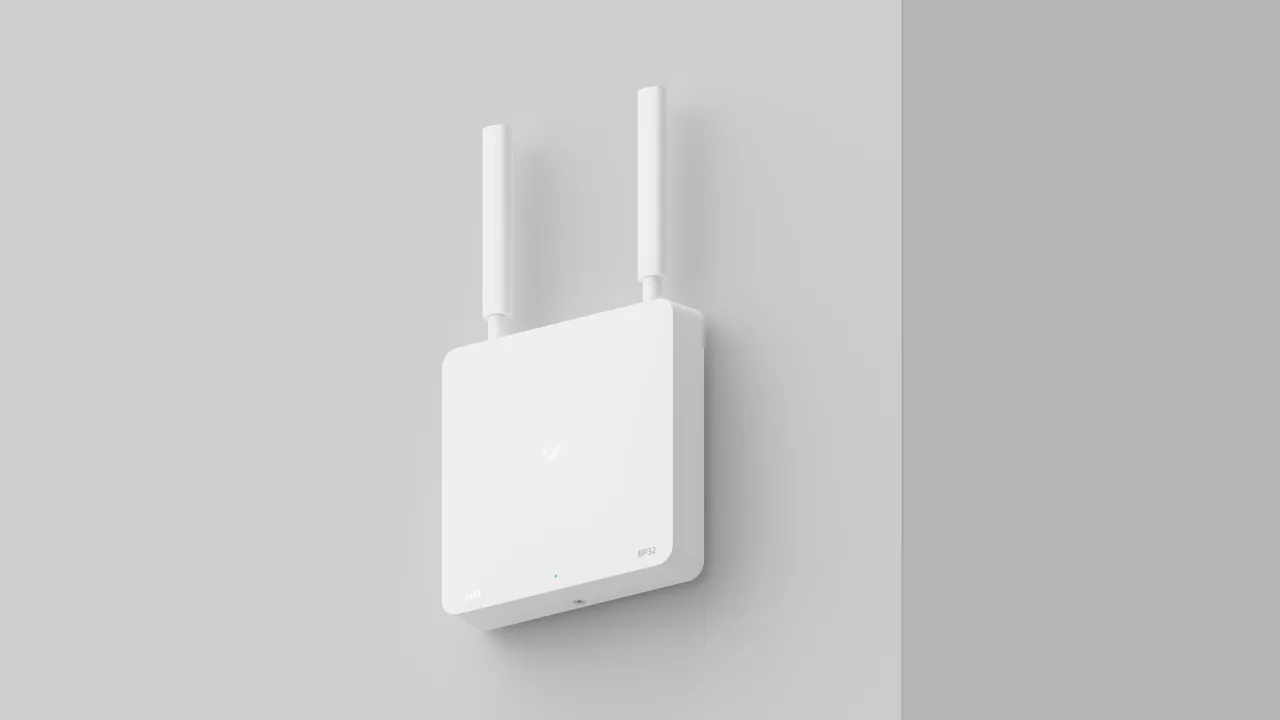
A fire alarm system is a bundle of subsystems that have to work together:
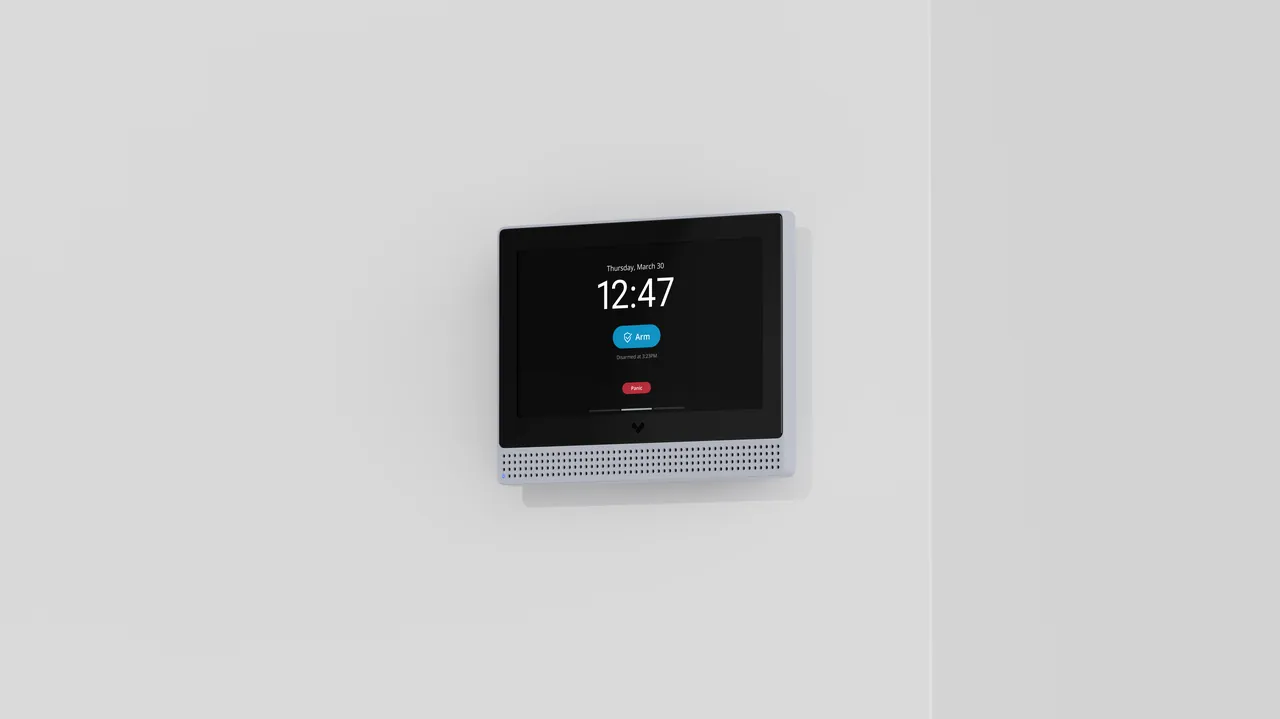
- Fire alarm control panel (FACP) — the controller. Conventional panels group devices into zones; addressable panels identify each device individually.
- Initiating devices — smoke detectors, heat detectors, duct detectors, sprinkler flow switches, manual pull stations.
- Notification appliances — horns, speakers, strobes, voice evacuation systems.
- Power supply and backup batteries — secondary power sizing depends on the system type and monitoring model. UNC's fire alarm standard, for example, notes that its on-campus systems are sized as proprietary supervising stations with in-house runner service, while off-campus buildings are sized as remote stations (UNC C-24 Fire Alarm Systems). Ask your designer to state, in writing, which secondary-power duration applies to your project and why.
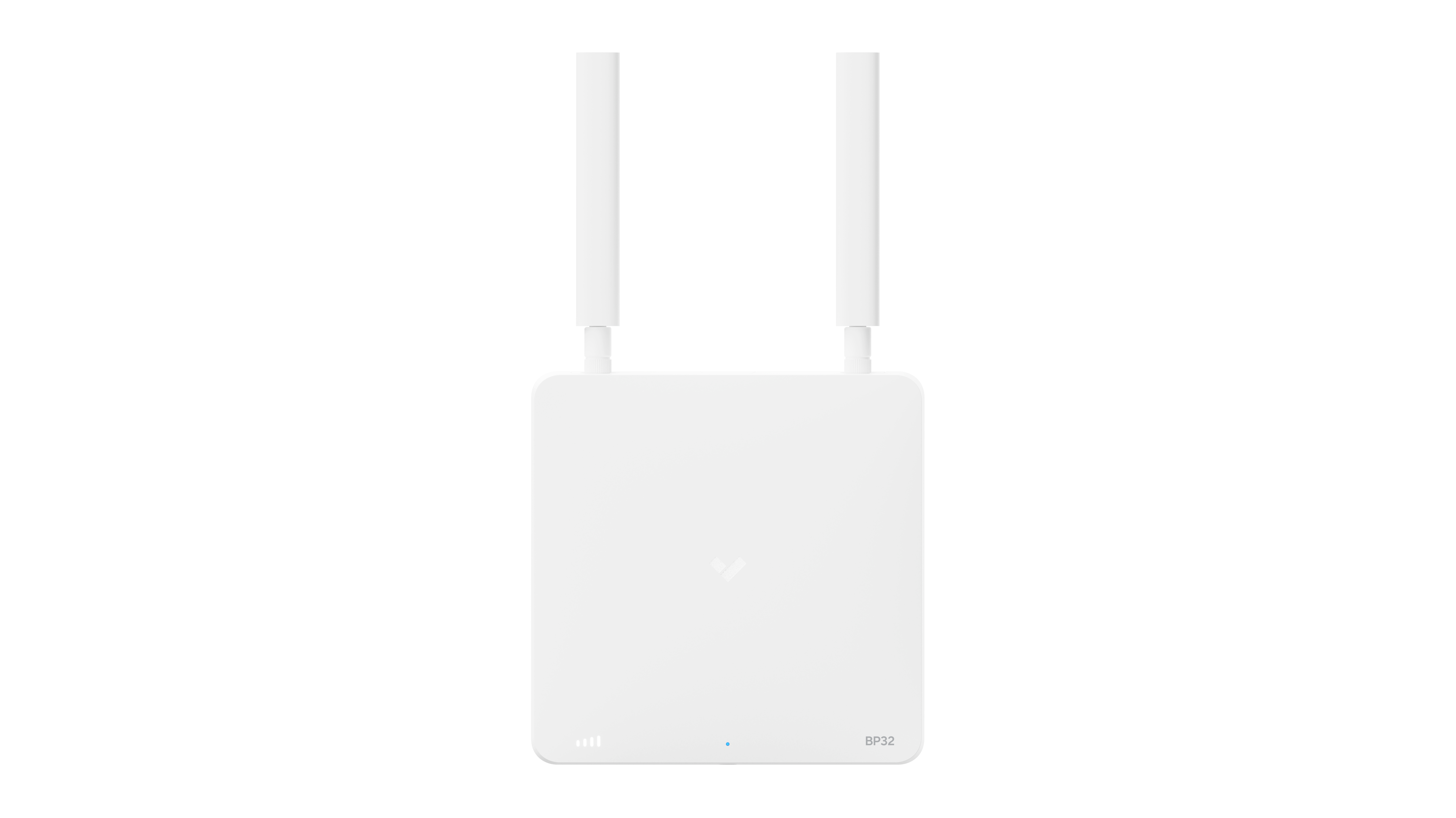
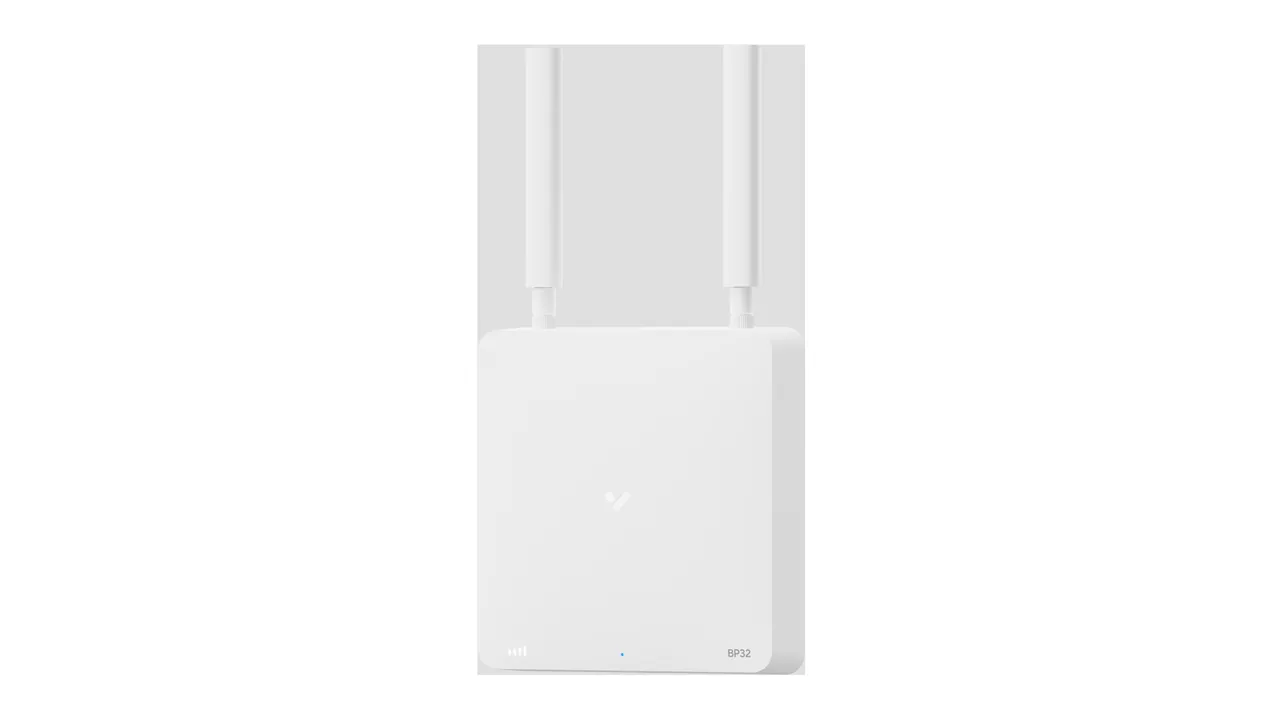
- Communicator — the device that transmits alarm, supervisory, and trouble signals to the monitoring facility. Traditional phone-line (POTS) dialers are increasingly being replaced with cellular and IP paths.
- Annunciator — a display near the responding entrance that shows arriving firefighters which device is in alarm.
If the building also has a non-fire security or intrusion platform, the fire alarm system typically remains on its own listed panel and monitoring path, even where the two systems share network cabling or a common service provider.
Conventional vs. addressable
A conventional system reports by zone. When the panel indicates "Zone 3 — alarm," someone still has to walk the zone to find the device that tripped.
An addressable system assigns every device a unique digital address, so the panel can report the exact device and location. That granularity speeds up both emergency response and false-alarm diagnosis, and it lets the panel supervise individual devices for faults rather than only detecting a break somewhere in a zone loop.
Small, single-tenant spaces with a low device count can often be served by conventional panels, while multi-floor, multi-tenant, or life-safety-critical occupancies are usually better served by addressable systems. The right answer depends on occupancy classification and the authority having jurisdiction (AHJ), not on square footage alone. Get that decision documented by your fire alarm designer, not by the lowest bidder.
How monitoring closes the loop
A panel that only sounds locally is limited to whoever hears it. Off-site monitoring is what turns detection into dispatch.
When the FACP registers an event, the communicator transmits the signal to the monitoring facility. NFPA 72 specifies signal transmission and operator response timing — those numbers vary by signal type and station category, so ask the monitoring provider to cite the specific NFPA 72 sections that apply to your service level rather than accepting a generic "we're fast" answer.
Dual-path communication (typically cellular plus IP) provides redundancy so a single failed path doesn't leave the panel unable to report. Single-path setups may still meet code in some jurisdictions but leave no fallback if that one path is down during an event. Confirm with your AHJ what's permitted for your building's occupancy and monitoring category.
Where the alarm panic button fits in
Panic buttons — the silent duress signals at a front desk or cash office — are part of a security or intrusion system, not the fire alarm system. Pressing them dispatches police or private response, not fire.
Owners often ask for a single button at reception that "does everything." That's generally not permitted: fire alarm initiating devices are governed by NFPA 72 and must operate on a listed fire alarm system. Panic and duress signaling lives on separate security equipment. The two can share infrastructure like network cabling and, in some cases, a service provider, but they remain distinct systems with distinct listings and monitoring paths.
What the code actually requires
When a fire alarm system is required is decided by the adopted building and fire codes in your jurisdiction — typically an edition of the IBC/IFC or NFPA 1, plus local amendments — with NFPA 72 governing how the system is designed, installed, tested, and monitored. Thresholds depend on occupancy classification, height, number of stories, sleeping accommodations, and hazardous processes.
Examples of situations that commonly trigger a monitored fire alarm requirement:
- Multi-story commercial or mixed-use buildings above a certain height
- Assembly, educational, healthcare, and residential occupancies above defined occupant-load or unit-count thresholds
- Buildings with hazardous materials storage or use
- Occupancies with sleeping accommodations (hotels, dormitories, care facilities)
Don't rely on rules of thumb — ask your designer to cite the exact code section that establishes the requirement for your building, and ask the AHJ to confirm before you commission the system. Some jurisdictions layer additional rules on top of NFPA 72; New York City's § 901-01 Central Station Monitoring of Fire Alarm Systems is one example.
Inspection, testing, and maintenance (ITM) requirements come from NFPA 72's ITM chapter and are the responsibility of the building owner. Frequencies vary by device type. Missing scheduled ITM can put both insurance coverage and certificate of occupancy status at risk, so treat the ITM contract as part of the system rather than an optional add-on. UL notes that under its certification program, staff conduct annual audits of certified systems, reviewing system documentation, event history, and installed equipment for compliance with NFPA 72 (UL).
Buying questions that actually matter
Cost varies too much by occupancy, device count, and jurisdiction to publish meaningful numbers here. Instead, put these questions on every RFP:
- Which NFPA 72 supervising-station category does this proposal deliver — remote, proprietary, or central station service? Will the property receive a written certificate documenting compliance?
- Is the system conventional or addressable, and which sections of the applicable code drove that choice?
- What secondary (battery) power duration is required for this system, and how is it calculated?
- Is the communicator single-path or dual-path? What happens to alarm reporting if the primary path fails?
- What ITM schedule is included, and what is quoted separately?
- Who is the responsible installer, and what are their certifications and manufacturer authorizations for the specific panel proposed? For a benchmark, UNC's C-24 standard requires installer technicians to be individually NICET Level 2 certified and factory-certified on the specific model, with at least one NICET Level 3 technician on staff (UNC C-24).
- If central station service is being sold, what are the runner response times committed to in writing, and who provides the runner?
The UNC C-24 document is a useful reference for what a rigorous fire alarm scope looks like, including installer qualifications, submittal requirements, and battery sizing tied to the monitoring model.
Common reasons systems fail (and how to avoid them)
Most failures are operational, not technological:
- Dirty smoke detectors. Dust and airborne contaminants are a frequent source of nuisance alarms. Detectors near kitchens, shops, or HVAC returns typically need attention more often than a nominal annual visit.
- Aging backup batteries. Sealed lead-acid batteries have a limited service life and are a common cause of trouble signals. They need scheduled testing and replacement on the interval set by the manufacturer and NFPA 72.
- Wiring and infrastructure damage. Rodent damage, water intrusion, and poor splices are recurring problems. Addressable systems tend to localize these faults faster than conventional ones.
- Obsolete communicator paths. Systems relying on discontinued POTS lines or a single failed IP path can go silent without the owner noticing.
- Untrained on-site staff. Cleaning, renovations, and HVAC work regularly cause avoidable alarm activations and missed silence/reset steps.
A written ITM contract with a qualified provider, current documentation the AHJ can review on request, and staff training on basic panel operation prevent most of these. If you want to discuss ongoing service for the systems we install, reach out through our contact page.
For the next planning step, see How an Automatic Fire Alarm System Actually Saves Buildings and Fire Alarm Monitoring: How It Works and Why It Matters.
FAQ
How long does a central fire alarm system last before it needs replacement?
There's no single lifespan. Panels are often serviceable for well over a decade if the manufacturer continues to support them, but smoke detectors have a manufacturer-stated end-of-life after which they must be replaced regardless of appearance — check the listing for your specific device. The practical trigger for whole-system replacement is usually loss of parts and software support from the manufacturer rather than physical failure.
Can I monitor a fire alarm system myself instead of paying for a central station?
For any building where the code requires supervising-station monitoring, no — NFPA 72 requires monitoring by a listed facility meeting the requirements for the applicable station category (remote, proprietary, or central station). A phone notification to an owner is not a substitute for a listed supervising station and will not satisfy the AHJ or, typically, the property insurer.
What's the difference between a fire alarm system and a sprinkler system?
The fire alarm system detects and notifies. The sprinkler system suppresses. They're separate systems that interface: when water flows in a sprinkler line, a flow switch reports to the fire alarm panel, which then activates notification and transmits the alarm to the monitoring station.
Why does my fire alarm keep going into trouble mode at night?
Common causes include weak backup batteries, ground faults on a circuit, and communication faults with the monitoring station. Temperature swings at night can expose marginal wiring or a battery near end of life. Don't just silence trouble signals — under central station service, a trouble condition that isn't restored has a defined runner-response and reporting window, and unresolved trouble is often the precursor to a missed alarm later.
Will a fire alarm system work during a power outage?
Yes — secondary power (battery, or in some cases generator backup) is required by NFPA 72 so the system continues to detect and report during a utility outage. The required standby duration depends on the system's category and configuration, which is why battery sizing calculations and periodic load testing are part of the ITM scope.