


Updated September 16, 2026.
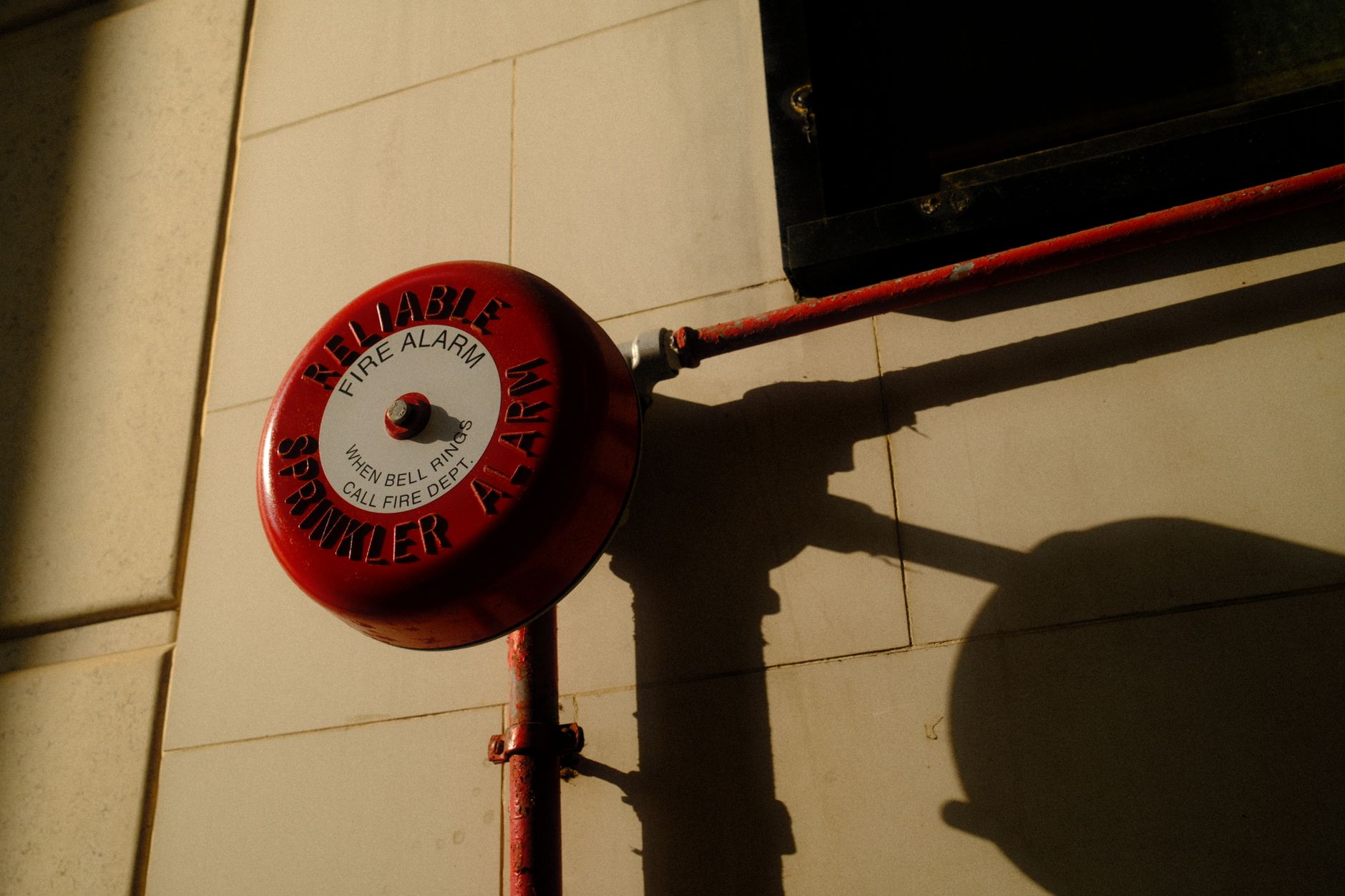
An automatic fire alarm system is not a smoke detector. It's a supervised network of detection devices, a control panel, notification appliances, and a monitored communication path that senses a fire condition, alerts occupants, and dispatches the fire department without anyone having to make a phone call. This article walks through what those systems actually do, where they quietly fail, what to ask when you're specifying one, and how they fit alongside the rest of a building's security stack.
What an automatic fire alarm system actually does
At its core, an automatic fire alarm system is a network of detection devices — smoke, heat, flame, gas, manual pull stations — wired or wirelessly connected to a fire alarm control panel (FACP) that decides what to do when a device is activated. The "automatic" part is the operative word: the system senses, decides, and acts without human intervention.
In a commercial building, "acts" typically means some combination of:
- Sounding horns and strobes throughout the building.
- Notifying a supervising station, which dispatches the fire department.
- Shutting down HVAC so smoke isn't distributed through the ductwork.
- Recalling elevators to a designated floor.
- Unlocking egress doors and releasing magnetic holders on fire-rated doors.
- Logging the event, the zone, the device address, and the timestamp.
That event log matters after an incident. The fire marshal and the insurance adjuster will ask for it. If the panel cannot identify which detector activated and when, the investigation gets harder.
NFPA 72 addresses fire alarm and signaling systems. The edition and requirements that apply to a property depend on the adopted codes and the responsible local authority. Ask the fire protection designer to identify the applicable documents and approved sequence of operations before equipment is selected.
The components — a quick tour
Knowing the cast of characters makes every conversation with a contractor go better.
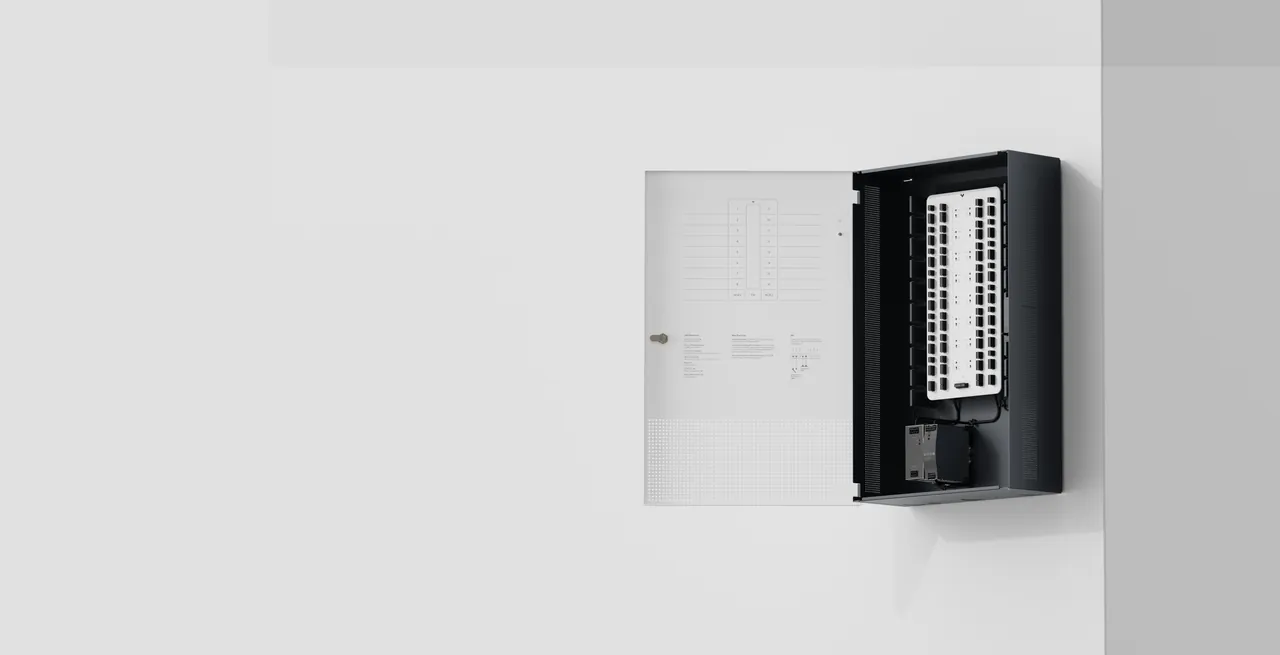
The fire alarm control panel (FACP) is the brain. It supervises every device, every wire, and its own backup batteries. If a detector at the end of a corridor drops offline, the panel generates a trouble signal. That constant supervision is the defining difference between a life-safety system and a stand-alone alarm.
Smoke detectors generally use ionization sensing (faster on flaming fires), photoelectric sensing (better on smoldering fires), or both. Multi-criteria detectors combine multiple sensing technologies in one device; NEMA's white paper Multi-Criteria Detectors (MCD) walks through why the industry moved this direction as building contents shifted toward synthetic materials.
Heat detectors trip at a fixed temperature or on a rapid rate-of-rise. They belong in spaces where smoke detectors would nuisance-alarm — commercial kitchens, parking garages, dusty warehouses.
Duct detectors sit in HVAC ductwork and shut the air handler down before it spreads smoke building-wide. NEMA's Guide for Proper Use of Smoke Detectors in Duct Applications is a useful primer, and it explicitly warns against using duct detectors as a substitute for area smoke detection.
Manual pull stations let people initiate an alarm. Their need, location and selection belong in the approved fire alarm design.
Notification appliances include horns, strobes and speakers. The designer should document which forms of notification are required and how audibility, visibility and speech intelligibility will be checked. NEMA’s Emergency Communications Audio Intelligibility Applications Guide discusses the distinct problem of making emergency speech understandable.
Off-premises communication is the link from your panel to a supervising station that watches the system and dispatches responders. NEMA's Communications Methods For Fire Alarm Systems summarizes the transmission technologies NFPA 72 currently recognizes — this is worth reviewing because copper phone lines (POTS) are being phased out, and many older buildings are running on paths their monitoring company would rather they weren't.
Where the system quietly fails
Fire alarm systems fail in predictable ways. Understanding the failure modes lets you design around them.
Dust and airborne particulate. Photoelectric smoke sensors can't distinguish smoke from construction dust. Nearby renovation work is a common cause of nuisance alarms. Regular cleaning on a documented schedule — not "when it goes off three times in a week" — is the answer.
Cooking and other nuisance sources. The 2020 revisions to UL 217 and UL 268 added a cooking-nuisance rejection test specifically because kitchen false alarms were so common. NEMA's Impact of UL 268 and UL 217 Fire and Nuisance Tests explains what changed and what it means for detector selection and placement. The fix is almost always the right detector type in the right location, not fewer detectors.
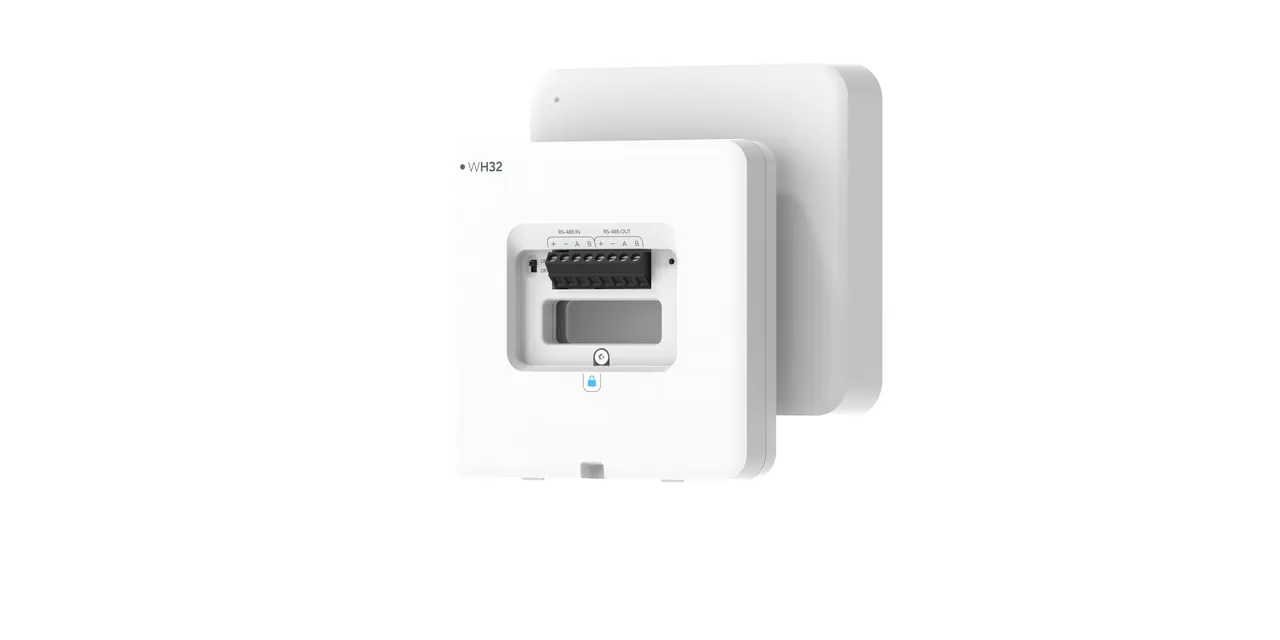
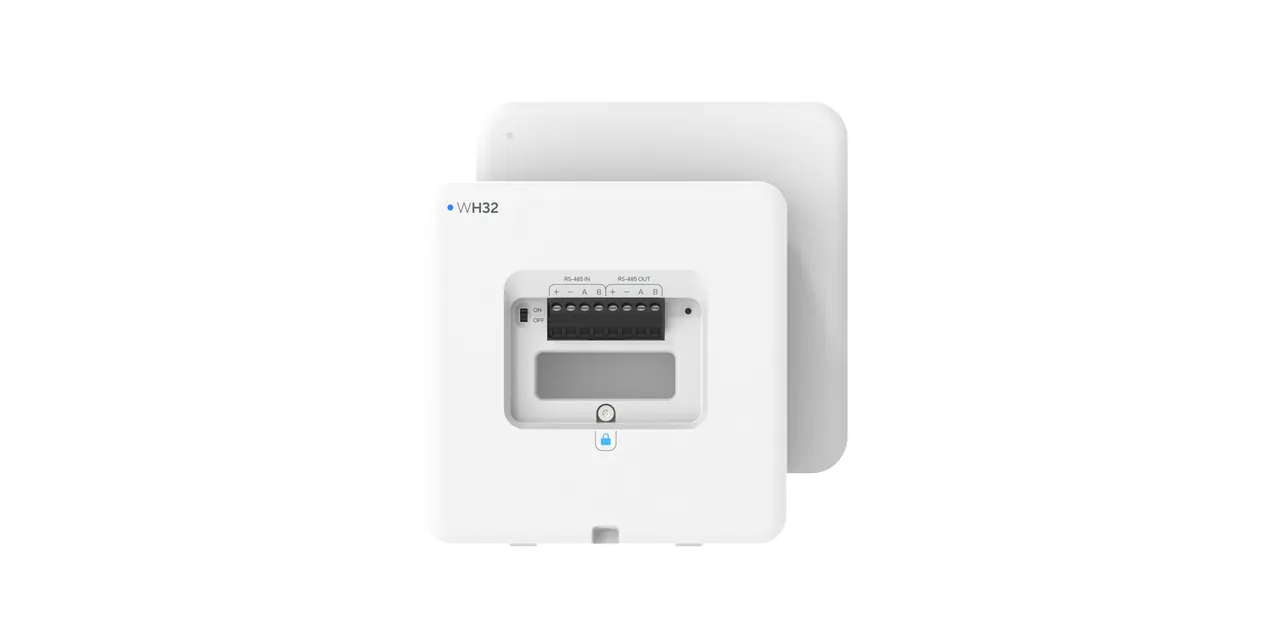
Fire doors propped open. Fire-rated doors compartmentalize a building. A propped door defeats that. A door-prop sensor tied into your access control platform is a legitimate part of fire safety, not a separate concern — see our Verkada alarms and sensors in the catalog.
Silenced trouble signals. A beeping panel gets silenced by someone who doesn't know what it means, and the underlying fault is never addressed. This is why the panel should live in a supervised location with a real maintenance log and an assigned owner.
Aging conventional wiring. Zoned conventional systems from earlier decades still work, but troubleshooting a fault means walking the loop. Addressable systems — where every device reports its own digital ID — turn a multi-hour troubleshooting exercise into a glance at the panel display.
Conventional vs addressable vs networked
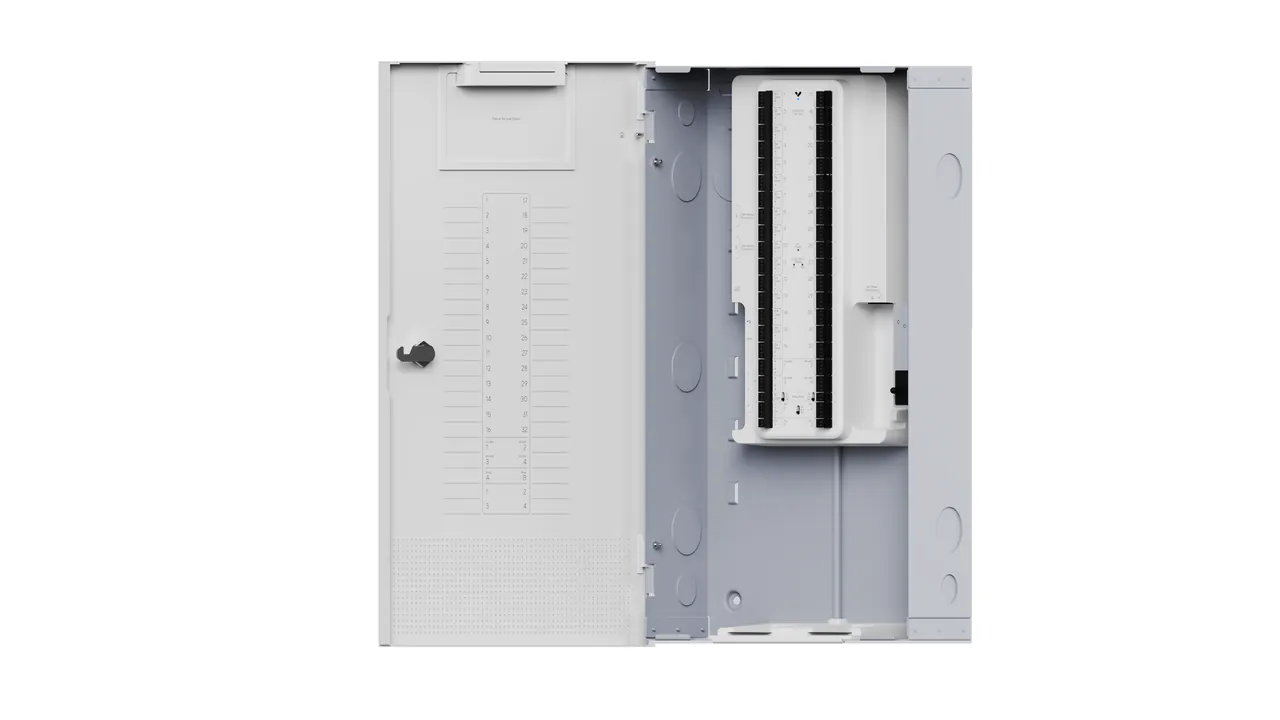
For a new system or a major retrofit, the architecture choice drives most of the long-term cost and usability.
Conventional systems group devices into zones. The panel knows a zone activated, not which device in the zone did it. Cheaper to install, painful to troubleshoot, generally reserved for very small buildings today.
Addressable systems identify individual connected devices, which can help staff locate an activation or fault. Compare the actual diagnostic features, compatibility and maintenance scope of the proposed system instead of assuming an architecture automatically lowers lifetime cost.
Networked systems link multiple panels across a campus or portfolio, usually with a graphical workstation showing floor plans. For hospitals, universities, and large industrial sites, this is how a security operator can respond in a meaningful time window.
Cloud-connected platforms sit on top of a code-listed FACP (they don't replace it) and give facility teams remote visibility, mobile alerts, and integration with the rest of the building's security stack.
Detection isn't the whole job — response is
A common mistake is treating the fire alarm system as a standalone box separate from the rest of the building's security. From an operational standpoint, they're the same problem.
Consider what happens once a device activates. The panel processes the signal per its programmed sequence of operations, starts notification, drops HVAC, releases doors, and recalls elevators. Some designs apply alarm verification to specific smoke detectors — a short delay while the panel re-samples the sensor to reject transient events — but this is a per-device design choice for certain occupancies, not a universal panel behavior. The supervising station receives the signal and dispatches the fire department. Occupants should be moving through unobstructed, unlocked egress paths. First responders arrive.
For that sequence to work, a lot has to be right at once: detectors have to be clean and in test, wiring has to be intact, doors have to actually be where they belong, egress paths can't be blocked, and someone has to be able to account for who's still inside.
That last item is where access control matters. If the access system knows who badged in this morning, you have the beginnings of a real evacuation roster. Video verification is the other integration worth thinking about — when the supervising station receives a fire signal, faster visual confirmation improves prioritization for real events and cuts down the cry-wolf problem on nuisance ones.
Codes, inspections, and the paperwork

Fire alarm systems are governed by NFPA 72, local amendments, and how the AHJ interprets both. Testing frequencies, methods, and record-keeping requirements are all specified in the code, and they vary by device type and system type. Rather than repeat them here — inspection intervals differ between initiating devices, notification appliances, communication paths, batteries, and control equipment — pull the current requirements from the NFPA 72 page or ask your licensed contractor for the section-by-section testing schedule that applies to your specific system.
Two practical points hold regardless of the exact interval:
Keep the records. When the inspector arrives, they want the written log of tests, trouble signals, and service events. A cloud-connected platform that auto-generates that log is the unglamorous feature that pays for itself the first time you're audited.
Remote inspection is a real option now. NFPA 915 covers remote inspections, and NEMA's Remote Inspection & Testing white paper summarizes what can and can't be done remotely under current codes. Not everything qualifies, but for multi-site portfolios, the ability to knock out a portion of ITM tasks without a truck roll is meaningful.
Insurance credits exist, but ask specifically. A monitored, code-compliant, well-maintained fire alarm system is a factor in commercial property underwriting, often alongside sprinklers and documented maintenance. Ask your broker to spell out which controls the underwriter is actually crediting and by how much — the answer varies by carrier and occupancy, and it's the only way to know what your controls are worth in dollars.
Picking a system that won't haunt you
If you're at the "we need to do something about this" stage, here are the questions and decisions that matter most.
Start with a code review. Occupancy type drives the requirements. A warehouse, a school, a high-rise office, and a memory care facility have very different rules. Don't accept a hardware quote before someone has read the applicable code sections for your building. If your facility is a data center, NEMA's Design Considerations for Fire and Life Safety Equipment in Data Centers is a useful starting point.
Default to addressable. Unless the building is genuinely small, addressable pays back in diagnostic time and maintenance clarity.
Insist on a written sequence of operations. This document spells out exactly what happens when each device activates — which doors unlock, which fans shut down, which elevators recall, which signals go to the supervising station, and whether any inputs are subject to alarm verification. If your contractor can't produce a draft on day one, they're improvising on installation day.
Plan for integration. Even if you don't tie the fire system to access control and video immediately, specify a panel with the relay outputs and network capability to do it later. Retrofitting integrations into a sealed panel is expensive.
Ask about communication path. Since POTS lines are being retired, confirm what transmission technology the monitoring company is using and that it matches an approved path under the current NFPA 72 edition.
Get portal access to your own data. You should be able to see your own trouble signals, test history, and dispatch logs without calling anyone. Treat lack of portal access as a warning sign.
Get maintenance pricing in writing up front. Ask for the scheduled ITM cost, the trip-charge structure for after-hours service, and what's included versus billed separately. The system is not a one-time purchase; skipping maintenance is the fastest way to fail an inspection.
Where Monarch fits
For projects involving access control, cameras and environmental sensors, contact Monarch to define the security-system scope and the interfaces that need coordination with the responsible fire alarm professional. A camera or badge record is supporting information, not proof that everyone has evacuated. Keep the approved fire alarm response and evacuation procedures under the responsible professionals. You can also review the security equipment catalog.
Detection is one piece. Response is the rest. Design for both.
For the next planning step, see Fire Alarm Monitoring: How It Works and Why It Matters.
FAQ
Do I legally need an automatic fire alarm system in my building?
Whether a system is required depends on the occupancy, building characteristics and adopted requirements. Ask the local authority and a qualified fire alarm designer to determine the scope for your address. Do not use a generic online guide as a compliance determination.
How much does a commercial fire alarm system cost?
Cost varies widely with building size, occupancy, system architecture (conventional, addressable, networked), whether voice evacuation is required, and how much wiring or ceiling access is needed in a retrofit. Get itemized bids from at least two licensed contractors and ask each to price the same specified sequence of operations so you're comparing like for like.
What's the difference between a fire alarm and a smoke detector?
A standalone smoke detector is a single device that annunciates locally when it senses smoke — the type sold for residential use at a hardware store. A commercial fire alarm system is a networked, supervised, code-compliant system with a control panel, multiple detection types, notification appliances, and a monitored communication path to a supervising station that dispatches the fire department. The two are not interchangeable for commercial occupancies.
How often do fire alarm systems need to be inspected?
NFPA 72 sets specific inspection, testing, and maintenance frequencies that vary by device type, system type, and communication method. Rather than rely on a generic answer, get a section-referenced ITM schedule from your licensed contractor tied to the current adopted edition of the code and keep the written records — the log is what the fire marshal actually asks for.
Can a door prop alarm actually reduce fire risk?
Yes. Fire-rated doors only compartmentalize a building if they're closed. A propped door defeats that design, letting smoke and flame move across zones much faster than the building was engineered for. A door-prop sensor alerts staff before it becomes a fire-spread problem, which is why we treat it as part of the fire-safety conversation rather than only access control.
Will a fire alarm system lower my insurance premiums?
Ask your insurer whether the proposed equipment and monitoring arrangement affect your policy or premium. Request its conditions in writing before including any credit in the project budget.